
Ability
"The best ability is availability!"

Background
This is our fourth installment in the “Readiness” series. The first one outlines the “Readiness Formula,” a formula based on Tom Kier’s “Readiness Triangle.” The next two focus on “Awareness” and “Willingness.”
In the last article, I did a deeper dive on “Willingness,” what it means, why it’s important, and how to be ‘more willing’ than others. It’s important because all of the ability in the world won’t help you if you’re NOT WILLING to use it!
What to Expect in this Article
In today’s post, I’m going to provide an overview on “Ability” or how to become more “capable.” What does it mean to be able or capable? Why does it matter? How can we become more capable? Perhaps most importantly, what “capabilities” should we spend our limited time, money, and energy developing?
What it means?
Again, I like to start by DEFINING terms. As I mentioned in my last post, I think it’s important. “If we seek to understand something, we must define it.” (Jordan Peterson). So let us start by defining ABILITY.
· Ability: The possession of the means or the skill to do something.
· Capability: The power of ability to do something.
Using the above, my definition of ability goes something like this: “Having the means and or the skill to do something.” In context, “The means and or the skill to protect, defend, or save yourself or others from someone of something.”
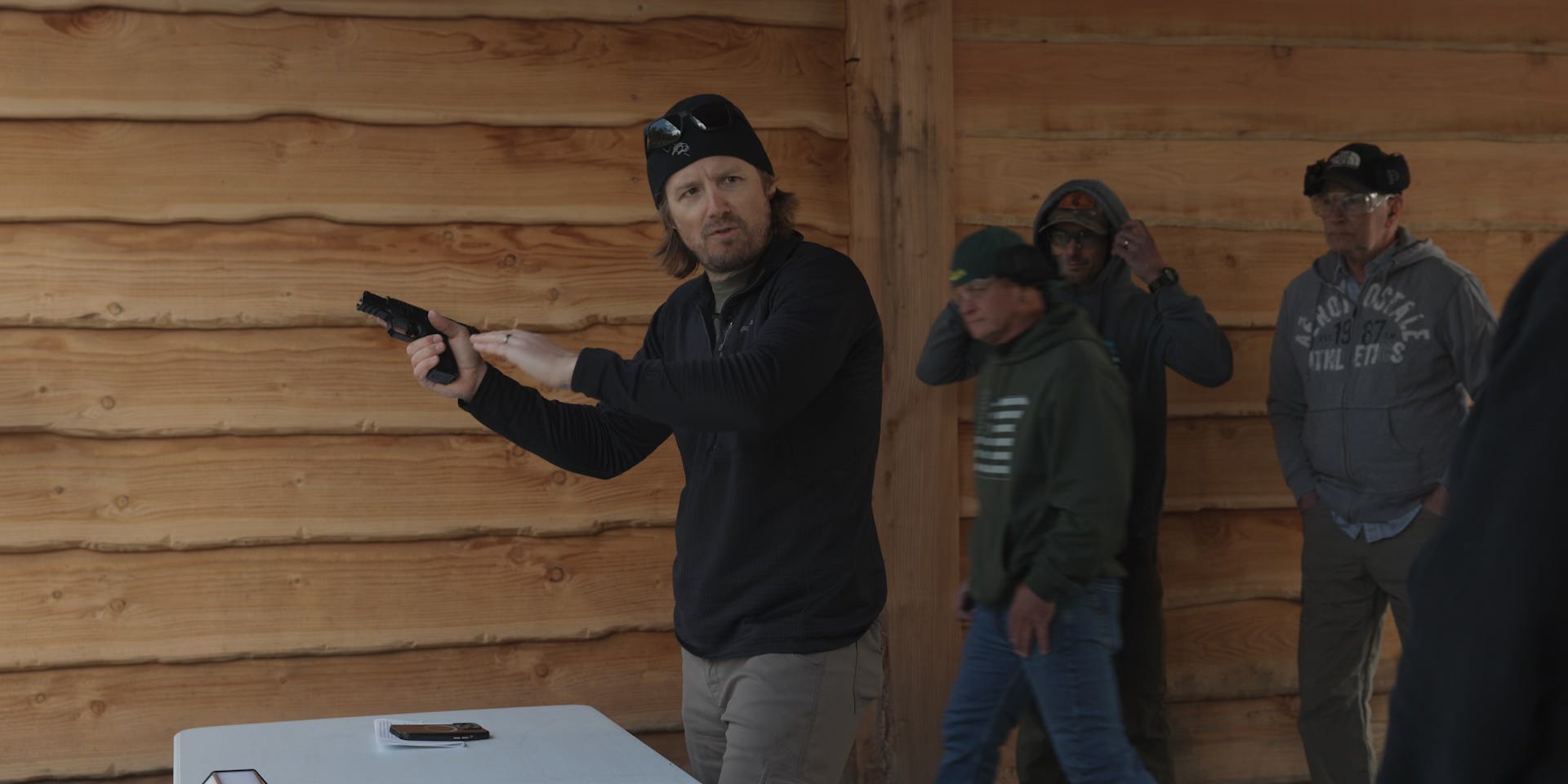
Why it Matters?
Let’s rewind. Awareness is step one. Those who are more AWARE are more likely to prevent or at least de-escalate a violent encounter. After all, 80% of self-defense is prevention. Willingness is important too. Those who are more willing to do whatever it takes to WIN are more likely to do just that… to PREVAIL. Awareness and willingness, though important, are not enough. Remember, we don’t “rise to the occasion.” We “fall to our level of preparation.” Preparation then is our limiting factor.
That means, if we want to be ready to respond in a moment of crisis, or be an asset in a moment of consequence, we must prepare. Those who don’t prepare or assume they will somehow ‘figure it out’ in the moment, are being delusional. They’ve seen too many movies, or they have too high opinion of themselves.
Don’t expect to be able to provide first aid to someone if you’re not prepared to do so. Don’t expect to you’ll be able to run to safety, or run to provide help to others, if you’re not prepared to do so. Certainly, do NOT expect you’ll be able to defend yourself or others against the crucible of a violent attack if you are not prepared to do so. These are all false expectations.
Sure, occasionally, people do “rise to the occasion.” They summon some un-trained ability spurred on by a relentless drive to either survive or help others (aka “Willingness.”) These are the exceptions, not the rule. Hope is important when it comes to survival. But in self-defense, “Hope is not a viable strategy.”
What Should I Prepare For?
Before discussing HOW, let’s figure out WHAT we should be prepared for. If you recall, in a previous article I mentioned “We cannot be prepared for everything.” We have limited resources (time, money, energy, and mental bandwidth). We must consider both the odds and the stakes and find some high-yield activities at the intersection of both.
In my post on “Tenets of Training” I laid out my beliefs when it comes to this. We want to focus on the Basics (the Best do the Basics Better). We need to keep it simple (KISS), and Train with a Purpose (WHY). I also think it’s important to Personalize it (MINE). Take it and make it yours. You are building your own framework, your own system. So, you must decide what you should prepare for, given your own context. Here’s my hierarchy of training:
1. Fitness
2. First Aid
3. Fighting
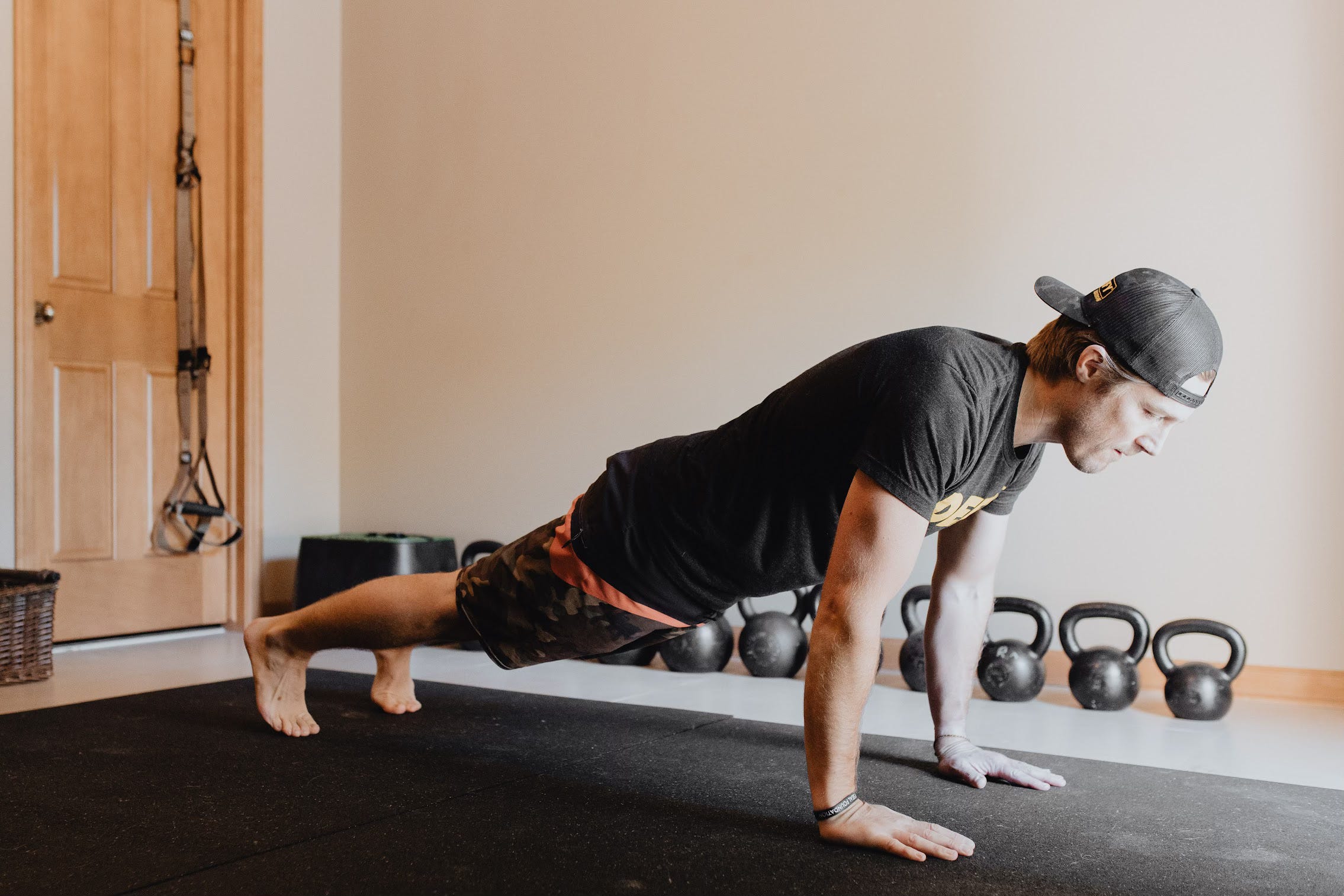
Fitness: Why worry about ‘fitness?’ Isn’t this about self-defense and personal protection? For me, fitness comes first. We are training self-defense and personal protection so we can survive a violent encounter. But we are more likely to die from heart disease or any one of the various physical ailments plaguing society. Fitness is the single best way, according to longevity expert Peter Attia, to increase both lifespan and health-span. Those who are physically fit are usually healthier. They are also more adaptable and more durable than those who aren’t. Prevention is 80% of self-defense and running (FLIGHT) to safety is the best ‘self-defense’ move in many instances. This requires some basic ‘fitness.’ Being fit enough to save yourself, or help save others also requires physical training, especially as we age. Fit people also (usually) make better decisions in both normal and crisis moments. They don’t have a false confidence in themselves but rather, a realistic understanding of their abilities. Training to fight, with or without weapons, will require some very basic fitness. The more fit you are, the more such training you’ll be able to do. Fitness, or the appearance of being ‘fit’ can lead to a violent attacker ‘de-selecting’ you as a victim. These criminals usually seek out the easier victim. Given the option between someone who appears to be fit and someone else who looks frail, they will choose the latter! So yes, fitness is FIRST in my book!
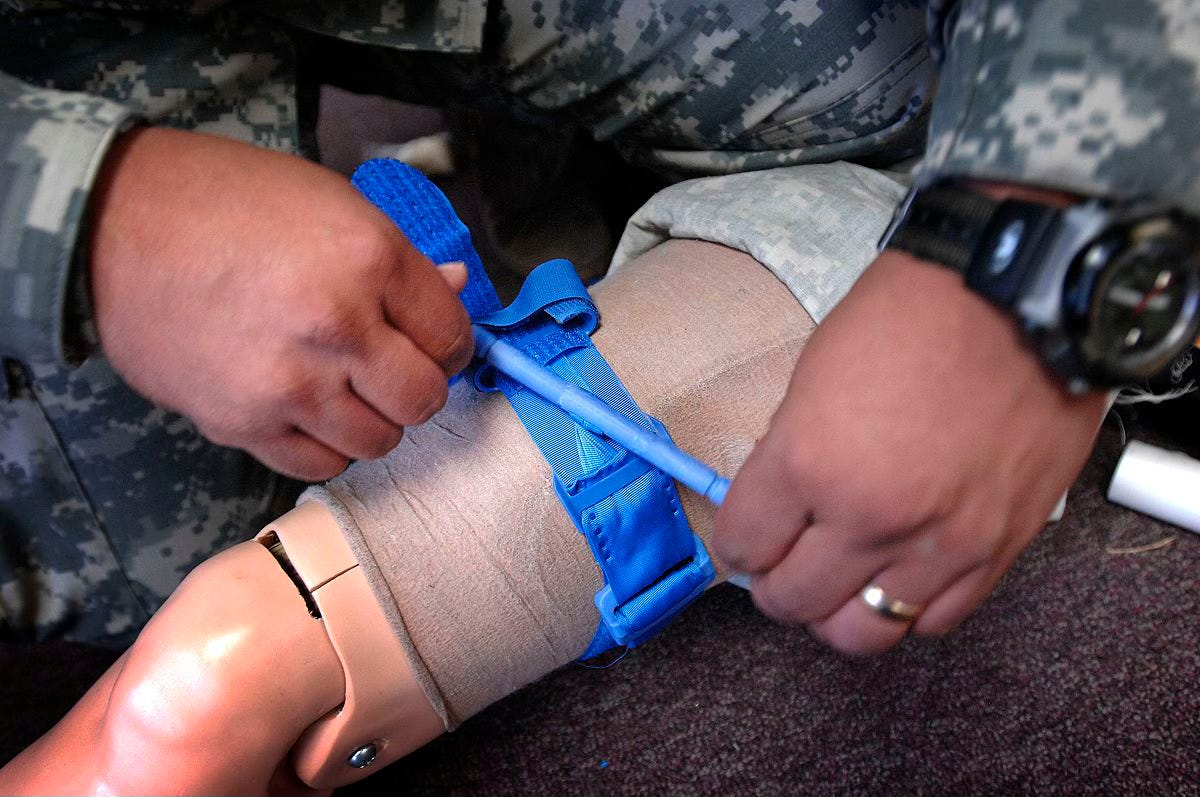
First Aid: Again, why first aid? Isn’t this about self-defense and personal protection? Yes, it is, but I think being prepared to administer first aid is more important. Again, we are training self-defense (fighting) to survive a violent encounter. The key word here is “Survive.” It all comes back to ‘stakes vs odds.’ First aid is the intersection of both. The odds that you’ll need to be prepared to provide first aid to yourself or others, at home, at work, at church, on the side of the road, or wherever, are ‘greater than zero.’ I would argue, this is more likely than being attacked by a violent criminal. The stakes are also high. If you are not prepared, you won’t be able to treat yourself or treat others. Look around the office sometime. You likely have an AED and a first aid kit. Do you know where it is? Do you know how to use it? Do you think you’ll have time to find a quick instructional video on YouTube when you need to know what to do? That’s a pretty poor assumption. Being prepared to help or administer first aid is vital. Not only for basic medical emergencies, but also in response to a violent attack. What if the criminal stabs or shoots someone before you or others were able to neutralize the attacker? What are you ABLE to do while you WAIT for the first responders? People don’t take this serious enough IMO. So, First Aid, in my opinion, comes before fighting!
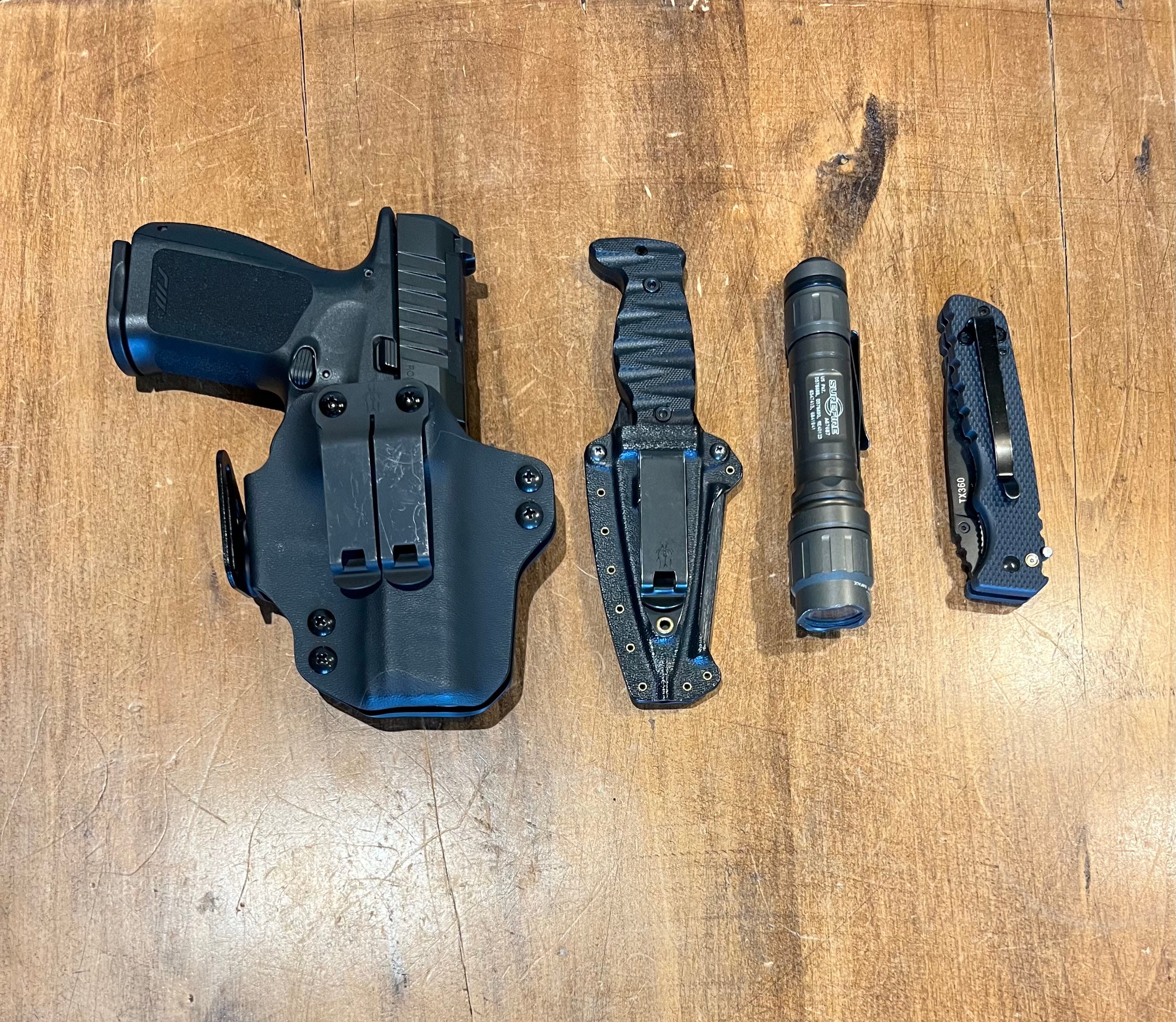
Fighting: Last, but DEFINITELY NOT least is fighting! This is (obviously) a key component of being ready to protect ourselves and others. We must assume we won’t always be able to avoid, de-escalate or retreat from a threat. At some point in life… we may have to ENGAGE! Let’s divide fighting into two different ‘macro’ categories for now: With Weapons and Without Weapons. It can, of course, be further categorized. Weapons can be lethal (firearms, blades, blunt instruments, etc.). Weapons can also be non-lethal (mace / pepper-spray, tasers, flashlights, etc.). Fighting without weapons can also be further categorized (striking, trapping, grappling, etc.). It can get…complicated. Let’s remember the “Training Tenets” (review if you want here). You want to ‘Keep it Simple’ because it can get overwhelming. You also need to develop your own system, which is based on a lot of different factors. What are you willing to do in order to be prepared? What are you able to do? What can you afford? What is convenient or close? What fits into your already busy schedule. For most, I recommend preparing to defend yourself with a weapon FIRST and then preparing without weapons second. I’ll dive into the reasons behind this in a future article. For now, I’ll just say that the best way to defend yourself when you are threatened with lethal force is to be capable of using lethal force. I would also say that weapons level the playing field. It’s unrealistic for most of us to be prepared to take on a larger, stronger attacker (or group of attackers) with our ‘bare hands.’ It’s not impossible. It’s just difficult. It takes time, money, and a lot more physical capacity. Again, I’ll defend this position in a future article. Again, it’s YOUR SYSTEM. So, YOU DECIDE how you’ll allocate your resources. For me, and for those that ask me, I believe having a weapon or a ‘tool’ is the most efficient and effective way to defend yourself and others.
How do I Prepare?
Obviously, a big part of preparation is TRAINING! If you plan on using weapons or ‘tools’ to defend yourself, you must train with them. If you plan on being prepared to give someone first aid, you have to train. If you plan on being ‘fit enough’ to be capable, you will have to train. But there are other steps. Here are mine:
1. Research
2. Training
3. Equipping
4. Practicing
5. Carrying
Education: It all starts with educating YOURSELF. Do the research and read the recommendations of others. Decide what YOU are WILLING and ABLE to do when it comes to training. Research the different ways to get this training and investigate the various instructors and trainers available to you.
Training: Get some training, whether it’s firearms training, first aid training, or unarmed self-defense training. Try a bunch of different things at different locations and from different instructors. They will have their preferred ‘tools, tactics, and techniques.’ Learn from them and learn WHY they recommend what they do. “Try before you buy” if you are going to purchase a firearm, a holster, ammunition and all the ‘other stuff’ you’ll need. The same is true for first aid. Don’t go out and buy all the stuff right away. Find a reputable class. Get some training and then figure out what gear you are willing and able to buy and use. The same is true for basic fitness. You can learn a LOT online, but nothing replaces a couple of lessons from a qualified coach. Remember, you are building your own system. Initial training from an expert will shorten the learning curve dramatically!
Equipping: Procure the ‘tools’ you need to achieve your goals. Start small and keep it simple. Your firearms instructor(s) and some recommendations from others who are more experienced, will go a long way. If you plan on using a firearm for self-defense outside the home you’ll need a holster, a good belt and of course a firearm. The same is true for first aid equipment. There are lots of places to buy this stuff. Ask your instructor(s) what they recommend. The same can be true for fitness. It doesn’t have to be. Many people train (or workout) in a gym. That’s great. Some of us (me included) do most of our fitness training at home, and it requires less equipment than you think.
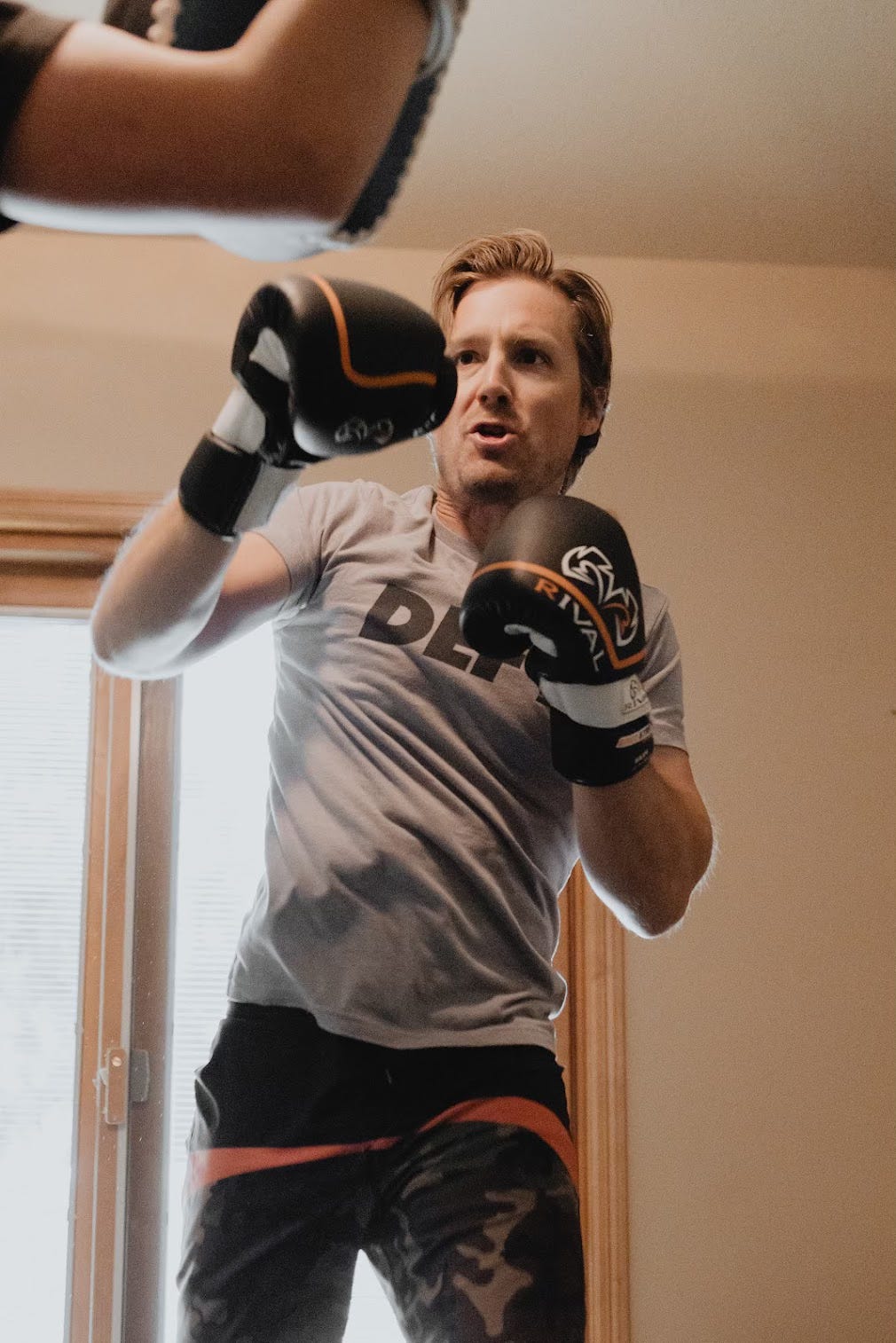
Practice: Once you have the tools and some initial training, it’s important to train on your own as well. Remember from our “Training Tenets” that “Frequency trumps Duration.” So, if you don’t have the ability to get private lessons all the time, you’ll need to do some training on your own. It’s not as hard as you think to go train with your firearm occasionally. Or enroll in a martial arts gym to practice some of your unarmed skills. The same is true for fitness. Whether in the gym or at home, it’s great (and cheaper) to train on your own mostly. Then, make sure you get another lesson occasionally to be sure you keep progressing AND to ensure you aren’t developing any bad habits. Remember, “Practice doesn’t make perfect. Perfect practice makes perfect.” It would be great to do all your workouts or firearms sessions under the watchful eyes of a qualified coach or instructor. That’s just not financially feasible for most of us!
Carry: If you are going to rely on equipment, whether it’s a gun, or mace/pepper-spray, or a tourniquet and med-kit, you MUST have it with you when you need it. You don’t know when that will be, so you must get into the habit of carrying it as often as you can. “The best ability is availability.” The BEST gun in the world is useless if it’s in the gun safe at home when you need it elsewhere. If you are using it for home defense, you have to be sure your home defense gun is readily accessible. That usually means a quick access safe or some other form of secure storage (and not the big gun safe in the basement!)
Once you have done your research, gotten initial training, procured your ‘tools’, practice regularly (as often as you can), and get into a habit of having it all ‘available’ or with you, you are prepared. That is, of course, if you are also AWARE of your surroundings and WILLING to act when needed! It’s all a big…triangle: Aware, Willing, and Able!
Summary
Ability or capability is an important part of being READY. To be able, you must prepare. That involves some work on your part and some help from others. Figure out what you are willing and able to do to prepare. Then begin doing so. Once you have begun, remember, the Student Mindset: “Always a student”, always willing to learn! In a future article, I’ll do a deeper dive on why I believe weapons training is FIRST. I’ll also go into more detail on how to find good training along with the ‘tools’ I recommend! Again, I don’t have a monopoly on good ideas. So, I welcome your input. What did I miss here?